|
Posted by Ryan 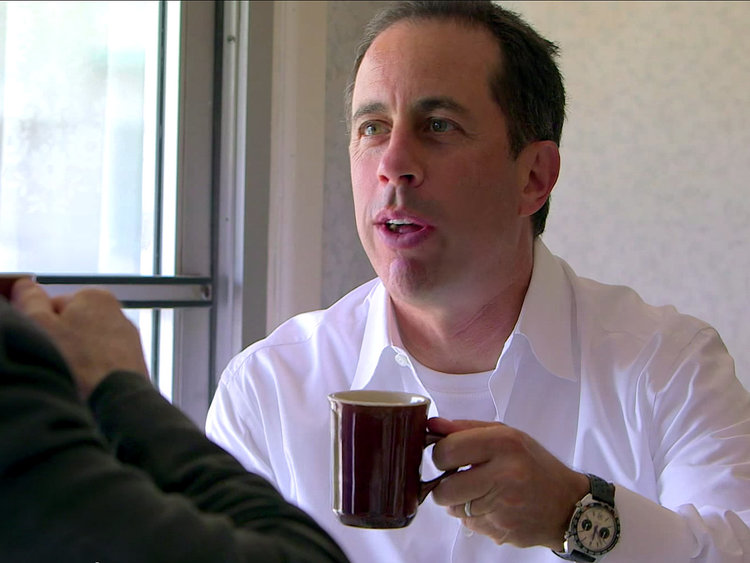 If I get a really good cup of coffee, I like to just go "you know what, just hang on a second, this is a fantastic cup of coffee..." I will stop and make that moment... you will enjoy life more if you do that! The importance of stopping to smell the coffee There was an article in The Age today about Napier Quarter cafe in Fitzroy, Melbourne banning takeaway coffee. Initially prompted by the environmental impact of takeaway coffee cups, the owner has said that the motivation for the ban goes much further. He says: "Everyone has time to sit down and have a coffee... We are taking our references from classic European and Lygon street in the 1950s. Taking that time, to not compromise to having a moment to yourself every day. I think it is really important in that day and age instead of facilitating this really wasteful takeaway culture. Everyone thinks they are so much busier, but they are not. You can certainly make time to sit down and have a coffee." I don't know about you, but I really love this. Also prompted by environmental concerns, in the last couple of years I've been choosing to more often sit down for a few minutes at a cafe to have a coffee, rather than getting it on the fly. While my main motivation was initially about reducing coffee cup waste, I've come to really appreciate the opportunity to stop, even if only for a few minutes, press the pause button, and actually just enjoy the coffee and the experience. In the field of positive psychology, there's actually a term for this. It's called "savouring": "noticing and appreciating the positive aspects of life". Research shows that proactively practicing savouring on a regular basis promotes happiness and enhanced wellbeing. The Black Dog Institute has some useful savouring tips here. But even more than that, there's something powerful in simply inserting some pause points during the day -- moments simply to stop and slow down. When I read the article in The Age, it reminded me of something the great 20th century philosopher Jerry Seinfeld had said when on Enough Rope with Andrew Denton back in the early 2000s (check out the clip below): "If I get a really good cup of coffee, I like to just go 'you know what, just hang on a second, this is a fantastic cup of coffee...' I will stop and make that moment... you will enjoy life more if you do that!" So take the time every now and then to stop, make a moment, smell the coffee, and savour the experience -- and save the planet while you're at it! Taking the first step can be scary, but change has to start somewhere. For a confidential chat about getting started with psychology sessions, contact us at 0431 136 523 (Sydney) or 0410 843 679 (Melbourne), or email us at [email protected]. You can also send us a message via the 'Contact' page.
Posted by Ryan 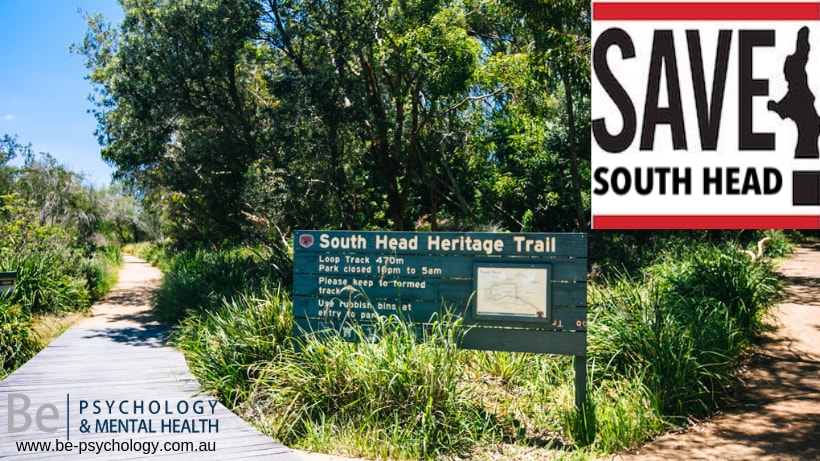 Why the campaign to save Watson's Bay is good for mental health For some time now there's been a huge community campaign going on in Sydney's Eastern Suburbs to save Watson's Bay and South Head. Watson's Bay is the suburb right at the end of the southern headland (South Head) of Sydney harbour. It is a beautiful, picturesque area steeped in indigenous and Australian European history, and includes South Head National Park, a lovely patch of greenery and bushland, surrounded by sweeping harbour and ocean views. It is a small but important natural refuge in a part of Sydney that is busy, crowded, and (arguably) increasingly over-developed. In 2015, a large entertainment venue company put forward a proposal to create a number of function and event venues in the Watsons' Bay / South Head area, including within the National Park, that opponents of the plan argued would have severely limited public access to this important place. Thousands and thousands of Sydneysiders supported the "Save Watson's Bay" campaign, and it became a significant election issue in the recent Wentworth by-election, with all the major candidates expressing their opposition to the proposal. Thankfully for the "Save Watson's Bay" campaigners, the government announced in December that the development proposal had been rejected. This outcome is a great example of the power of grassroots local activism. It's also something that's important for local mental health (I know, right?). The truth is that we need more green space, more nature, for not just our physical wellbeing but our mental wellbeing too. As Sydney (including the Eastern Suburbs) becomes denser and more populated, and backyards become more and more a thing of the past, retaining access to green spaces and the natural environment is increasingly important. There is a whole lot of research evidence now supporting the importance of green spaces and nature for mental health. For example, access to green spaces is correlated with increased exercise, which in turn is associated with better mental health. Research has also shown that simply being exposed to green natural environments is psychologically restorative and has positive impacts on emotional and mood states, and cognition. These kinds of areas also provide us with spaces to engage in social activities which promote connectedness and reduce feelings of isolation. Some other interesting research findings to do with the benefits of having more nature and green spaces around the areas we live include correlations between:
So, well done to the people power behind "Save Waton's Bay" and "Save South Head"! And if you live in Sydney's Eastern Suburbs, or anywhere for that matter, why not get outside for a walk in the park! Taking the first step can be scary, but change has to start somewhere. For a confidential chat about getting started with psychology sessions, contact us at 0431 136 523 (Sydney) or 0410 843 679 (Melbourne), or email us at [email protected]. You can also send us a message via the 'Contact' page.
Posted by David  Getting the most out of therapy - Part 3 Welcome to the third instalment of 'How to get the most out of therapy'. If you missed Parts 1 & 2, check them out here and here. Subscribe to our Facebook page to get notified when the next instalments in this blog miniseries are published. How to get the most out of therapy: (3) Having Support Having someone else in your corner is really important. Try to reach out to someone in your life, maybe a friend or a family member, and let them know a little about what you're going through. I've seen many situations where this has been an absolute turning point in someone's recovery, and a light for many people when they've been in very dark places. Getting some support on creating and cementing change also makes it more likely to happen. Maybe that someone can motivate you to face something scary, try something bold, keep you on track, or just be there when you need a cheerleader, or a shoulder to lean on. We can be strong on our own, but we're stronger together. Feel free to get in touch with us for a confidential chat about getting started with psychology sessions. For Sydney enquiries call 0431 136 523, and for Melbourne enquiries call 0410 843 679. You can also email us at [email protected], or send us a message via the 'Contact' page.
Posted by David  Getting the most out of therapy - Part 2 Welcome to the second instalment of 'How to get the most out of therapy'. If you missed Part 1, check it out here. Subscribe to our Facebook page to get notified when the next instalments in this blog miniseries are published. How to get the most out of therapy: (2) Be Active in Making Change Between Sessions What happens in sessions is important, but equally important is what happens between sessions. Most of the time your therapist will use what is discussed in sessions to craft activities (“homework”, gasp!). These activities will help you make the changes you want in your life. Research is clear that the more of these activities people try, the more change they experience. Sessions are like staging grounds. They are safe places to rally, talk about the issues, and make a plan of action. After the session is over, you then head out into the world to courageously face your challenges. The more you're able to try new ways of facing your challenges, the more likely you'll be to develop ways of overcoming them. Taking the first step can be scary, but change has to start somewhere. For a confidential chat about getting started with psychology sessions, contact us at 0431 136 523 (Sydney) or 0410 843 679 (Melbourne), or email us at [email protected]. You can also send us a message via the 'Contact' page.
Posted by David 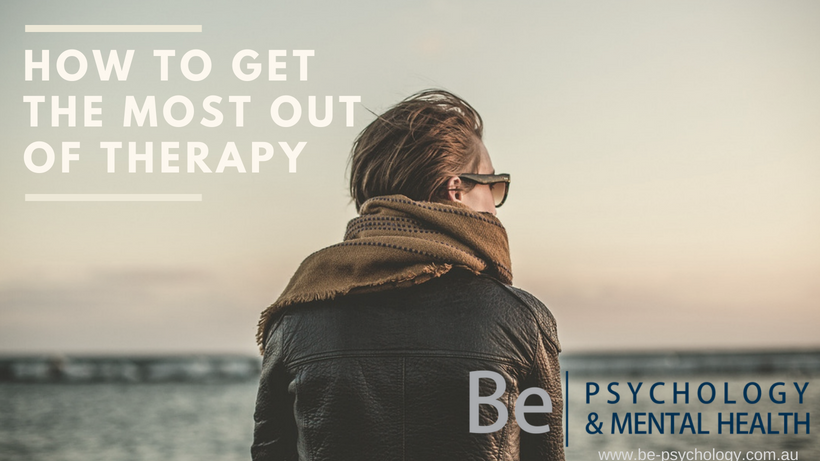 Getting the most out of therapy - Part 1 We know from decades of research that psychological treatment is helpful for many people. Whether that be feeling more emotionally stable, less anxious, having better relationships, achieving goals, or coping with life changes, most people see improvements. But let's face it, change is hard. And therapy is all about change. Once therapy starts there are a number of things that will help increase the chance you’ll experience positive change. Drawing on clinical research, as well as my own personal experience as a clinical psychologist, over a miniseries of blog posts I'll outline just a few of the things that are useful to keep in mind to make sure you get the most out of therapy at Be Psychology & Mental Health, and beyond. Subscribe to our Facebook page to get notified when the next instalments in this blog miniseries are published. How to get the most out of therapy: (1) Have Open Communication One of the most important parts of therapy is your relationship with your therapist. Some of the most reliable factors in positive change are: Being able to communicate what your problems and goals are, feeling understood by your therapist, and agreeing on how you'll go about making change. Psychologists are experts in how people generally think, feel, and behave. You are the expert in your personal experience and your own world though. When we combine these things together we get better outcomes. Giving feedback about what is useful, and what isn't, is really important too. The more you can share with your therapist about yourself, and your thoughts about what happens in therapy, the better. The next post in this miniseries will be out soon. Subscribe to our Facebook page to stay updated! Taking the first step can be scary, but change has to start somewhere. For a confidential chat about getting started with psychology sessions, contact us at 0431 136 523 (Sydney) or 0410 843 679 (Melbourne), or email us at [email protected]. You can also send us a message via the 'Contact' page.
|
AuthorBe Psychology & Mental Health is an expert clinical psychology practice with locations in Sydney and Melbourne, Australia. Archives
December 2018
Categories
All
|

 RSS Feed
Melbourne (Brunswick) - 0410 843 679 Melbourne (Caulfield) - 0403 060 491
Sydney (Bondi, Randwick & Maroubra) - 0431 136 523
[email protected]
Sydney (Bondi, Randwick & Maroubra) - 0431 136 523
[email protected]
Bondi Psychologists - Randwick Psychologists - Maroubra Psychologists - Brunswick Psychologists - Caulfield Psychologists
Copyright © 2023